
Serving Eastern Pennsylvania, Central and Southern New Jersey, and Delaware
Serving Eastern Pennsylvania, Central and Southern New Jersey, and Delaware
 When people contact me asking for organizing assistance, they sometimes indicate they have tried to get organized, but didn’t get the results they wanted. In other words, short term fixes didn’t lead to long-term results. Here are three recommendations to ensure your organizing efforts are long-term fixes:
Let me expand on these three recommendations:
Organizing is an ongoing job and maintenance is the key. Here are my Lucky 13 Tips on how to keep your spaces the way you want them to look:
Clutter Quote: “Order is never observed; it is disorder that attracts attention because it is awkward and intrusive.” Eliphas Levi, French occult author and magician
Click on the title above to learn more about the featured author.
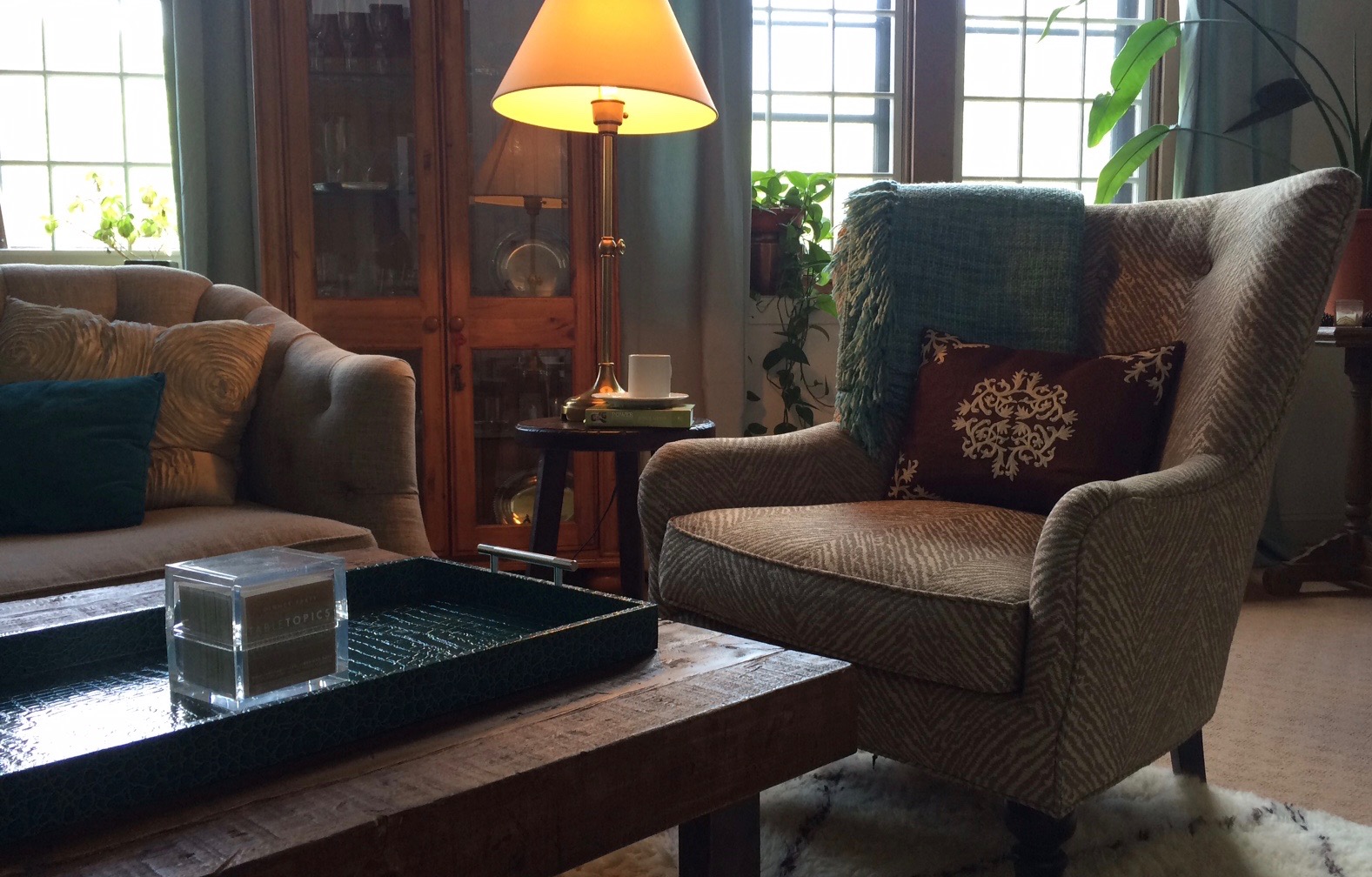 What is it about visiting a resort or spa that is so relaxing? Why is it that our moods change dramatically? Soon after arriving we begin to unwind. Our minds no longer jump frenetically from one task to the next. For some, the perfect retreat is hiking in the mountains; others enjoy a week-long yoga experience. For me, the beach is nirvana. Each can be a place that we feel a little more in touch with ourselves. Somehow our minds drift back to center. We begin to refocus on who we are, those dear to us, reestablish our goals, and step back from the pace of the world.
Resorts do their part in creating a beautiful atmosphere which facilitates this metamorphosis in us. If we pay attention, there are things we can do to borrow ideas and create our own, personalized havens.
If adopting some simple principles enables you to incorporate tranquility into your life, wouldn’t it be worth it?
When you return home, does the relief you experienced while away dissipate quickly? Here are some ways to work minimalism and simplicity into your own lifestyle.
There’s no rule stating that retreats are limited to once a year. Take them home with you. Turn your home into your haven. Fill your life just a little bit more – with experiences, not stuff.
It’s not about a full transformation in one day. By making small comforts ordinary, our homes can become our havens and places we crave returning to each evening.
Click on the title above to learn more about the featured author.
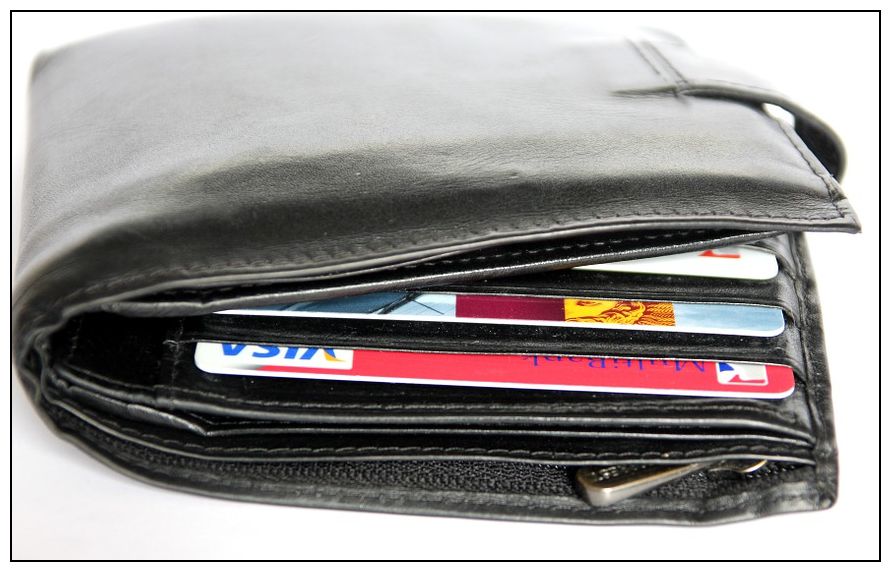 My aunt’s friend Lee was driving home after having dinner with The Girls. All of a sudden she realized she didn’t have her handbag! She frantically tried to remember what was in it, especially in her wallet, but her mind went blank. Panicked, Lee called the restaurant. It wasn’t there. Although it seemed futile, she drove back to the restaurant. Between when she called and arrived, it had been found! Lee was lucky.
If your wallet were lost or stolen, could you remember all the credit and membership cards, ATM and debit cards, medical insurance, driver’s license and registration cards, and the rest? Of course not. But even if you could, would you know the account numbers and contact info to report them missing? Not unless you have hyperthymesia or are a savant like Raymond Babbitt in Rain Man. And consider the many hours it would take to figure all this out.
To protect yourself, here are 9 tips.
If you think any of these options is too much trouble, ask yourself how much trouble it would be if your wallet were lost or stolen and you didn’t know its contents or the contact info. The payoff is having readily accessible information so you can take immediate action. We don’t intend to create opportunities for theft. But, if it happens, your record will be a vital resource. How thrilled would you be that you took time to protect yourself?
Click on the title above to learn more about the featured author.
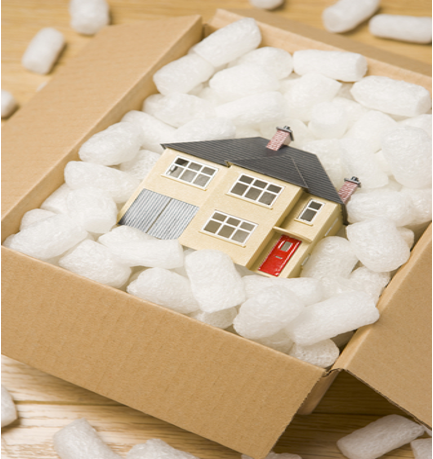
STEP ONE: DOWNSIZE
Now is the time to be selective. Plan to bring only the items you really want in your new space.
STEP TWO: PACK
Packing Paper vs. Bubble Wrap
Packing Boxes vs. Plastic Tubs:
Packing boxes:
Plastic tubs:
Best Labeling Practices:
STEP THREE: UNPACK
Click on the title above to learn more about the featured author.
At the end of the school year, there are three things that are a given.
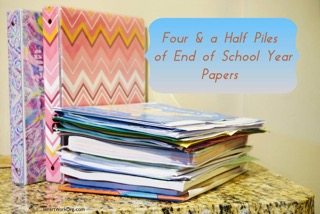
Here’s help for all of those papers:
Just because your kid’s papers come home in one bag doesn’t mean there is just one single type of paper. There are a few different types of papers, and each one needs you to do something different to them. Let’s break it down.
Can you think of any other types of paper that you need to keep?
Don’t bother keeping school papers to pass down to the next kid. When their time comes, their teachers will have their own way of presenting a learning concept.
I recommend keeping recent school directories with #2 above and older school directories in #3 as keepsake items or not at all.
The half-pile I mentioned? I also end up with summer workbooks or skills packets. These might be things you buy or things that the teachers send home. They might include summer reading lists and reading tracking charts. Do yourself the favor of telling your kiddos about them, setting goals, and letting them work through them at a regular pace during the summer. We’ve had a routine of doing a couple of workbook pages each day. This year, we’re giving our kids a weekly packet to complete at their own pace. Either way, I’m grateful for the unused learning resources that the teachers sent home.
How long does it take to get through all the school paperwork? Realistically, it can take less than an hour per kid to sort into these categories and purge. It might take up to another hour to select and digitize the artwork that you’ve saved all year. If it takes much more time, you might be overthinking it. Your child — even elementary school children — can help you with this task. They’ll love telling you about all the amazing stuff they do at school.
If you haven’t unpacked that backpack yet, now is the time to dive in, sort the papers into the categories above, and reclaim your kitchen counter from school papers that have built up all year long.
Click on the title above to learn more about the featured author.
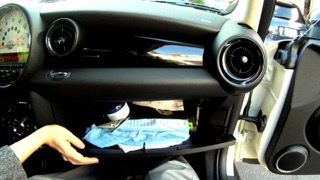 When was the last time you took everything out of the trunk and off of the floor of your car and really explored what is hanging out in there? Maybe you have some store returns to make that happen to be intermixed with fallen French fries, sticky soda bottles and stinky gym shoes…ick. It sounds like a scenario for those Febreze Car Fresheners!
On the next nice day when you can dedicate a few hours, head out to your car and follow these simple steps.
1) Remove EVERYTHING – Yes, I said everything! First, take out the bigger items from the floor and then the stuff from your glove compartment, center console, door pockets and trunk. Don’t forget to look in all those other nifty hidden compartments, as well. For now, keep these items in neat (or as neat as possible) piles in your garage, on the patio or in shopping bags.
2) Clean – Clean your interior windows including the front windshield, the rear window and the gauges. Next, dust and clean your dashboard. Finally, vacuum the floors and seats. If you haven’t done this process in a while, you may just prefer to head to the car wash and let them take care of it for you. A good car wash may be something worthwhile to get rid of that pesky pollen…achoo!
3) Trash/Recycle – Get a trash bag as well as another bag for recycling. Toss any items that are trash, like those fries! Recycle any maps or papers that aren’t needed, like expired car registration or insurance documents, soda cans and water bottles.
4) Sort – Go through the rest of the items and decide where they need to go, whether it is back in the car or into your house.
5) Organize – Keep some fabric storage bins with handles in your trunk and on the backseat. They are inexpensive and can surprisingly hold a lot. Five bins should be enough; you don’t want to fill up your entire car with them.
6) Maintain – Whenever you stop for gas, pop out the trash bag and toss it. Save the recycling items to take home if you don’t see a recycling bin. Keep some additional plastic grocery bags folded flat on the bottom of each bin.
7) Rejoice! – Look inside your newly cleaned car and get ready for those road trips. Then take a whiff. If it still stinks, quickly proceed to the nearest store and buy yourself an air freshener!
Happy travels wherever you are headed, near or far!
Click on the title above to learn more about the featured author.


